
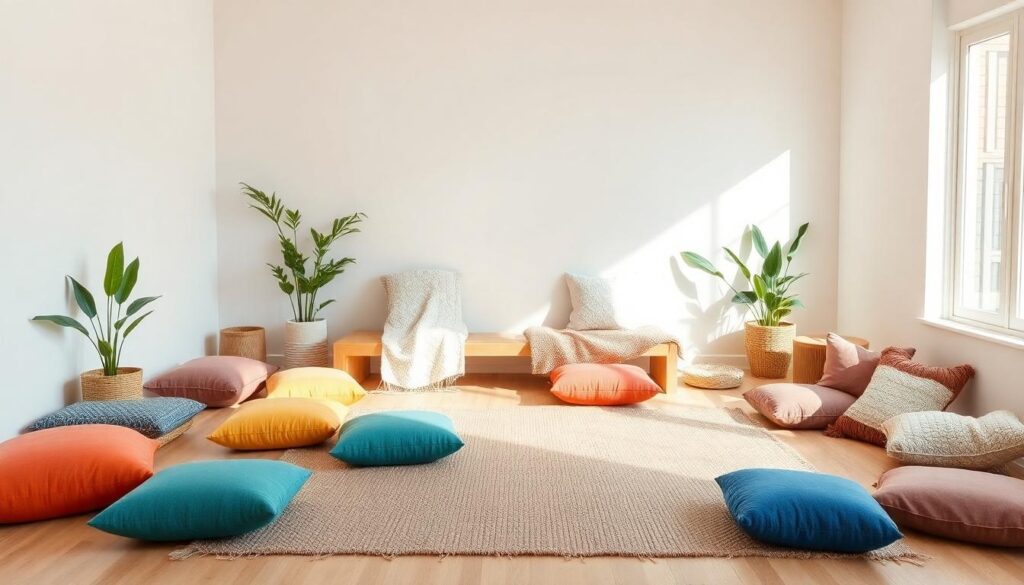

Imagine a living room that feels like a breath of fresh air—no bulky sofa hogging the space, just a clean, open vibe that invites creativity and relaxation. Minimalist living isn’t just a trend; it’s a lifestyle choice that screams sophistication and practicality. Who needs a sofa when you can have stylish floor cushions or sleek benches that make lounging feel like a chic art form?
Ditching the sofa might seem radical, but it opens up a world of possibilities. It’s not just about saving space; it’s about redefining comfort and functionality. Plus, think of all the extra room for activities—yoga, dance-offs, or just a cozy spot for your cat to claim as their throne. Embracing a minimalist living room without a sofa can transform not just your space but your entire approach to home decor. So why not take the plunge and let your creativity flow?
Understanding Minimalist Living Room Without Sofa
Embracing a minimalist living room without a sofa highlights simplicity and functionality. This approach emphasizes key elements that create an open, airy environment.
Definition of Minimalism
Minimalism centers on reducing excess while celebrating essential items. It prioritizes cleanliness and the aesthetic appeal of uncluttered spaces. In minimalist living, each piece serves a purpose and enhances the overall design. Visual simplicity often results from this philosophy, allowing individuals to appreciate both their surroundings and personal items more profoundly.
Benefits of Sofa-less Design
Sofa-less designs promote versatility and space optimization. Flexible seating options allow for easy rearrangement to accommodate various activities. Individuals use floor cushions, benches, or poufs to create cozy, inviting corners. This approach reduces visual weight, making rooms feel more expansive. Additionally, it encourages creativity in decor choices, blending function with personal style. Embracing a sofa-less living room fosters a refreshing sense of freedom and clarity.
Key Elements of a Minimalist Living Room
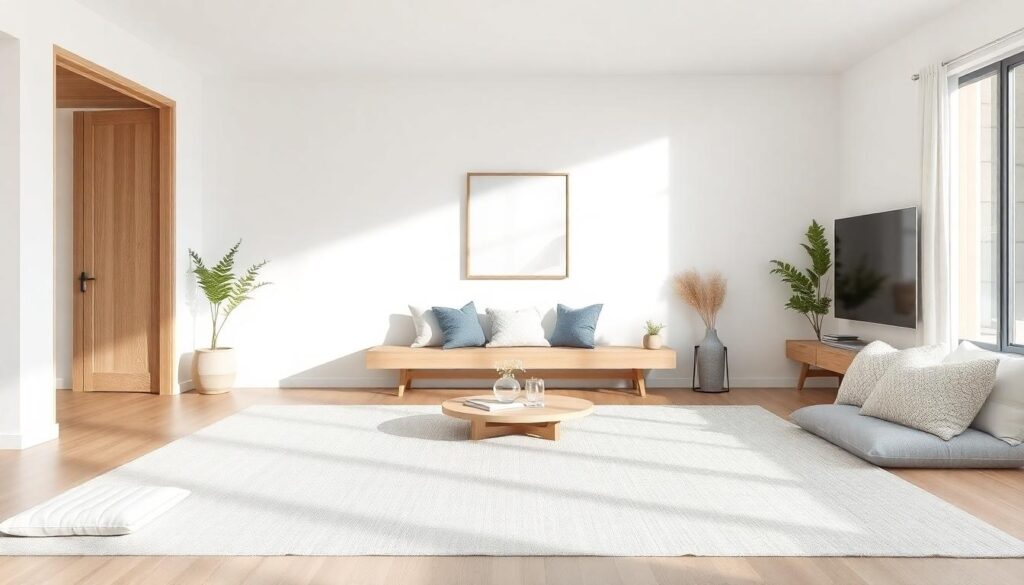
A minimalist living room thrives on simplicity and deliberate choices. Key elements define this space with style and functionality.
Functional Furniture
Functional furniture plays a crucial role in minimalist design. Floor cushions or low benches provide comfortable seating while maintaining an open feel. Multi-purpose pieces, like ottomans or nesting tables, offer flexibility for various activities without cluttering the space. Each item should serve a specific purpose, enhancing usability without compromising aesthetic appeal. Opting for furniture that can easily be moved or stored supports the ability to reorganize effortlessly. This method encourages a dynamic environment where the living room becomes adaptable to changing needs.
Color Palette and Materials
Color palette and materials significantly influence the atmosphere in a minimalist living room. Neutral tones, such as whites, beiges, and soft grays, create a calming backdrop. Accent colors can emerge through accessories like cushions or artwork for a subtle pop. Choosing natural materials, such as wood, stone, or linen, adds texture and warmth. Light finishes often make rooms appear larger and brighter, enhancing the minimalist ethos. Focusing on a few key materials helps maintain visual consistency, creating a seamless blend of comfort and style in the space.
Creative Alternatives to Sofas
Innovative seating choices elevate the minimalist living room. Exploring various alternatives can enhance comfort while preserving space.
Floor Seating Options
Floor cushions offer a relaxed and casual atmosphere. They come in various shapes, colors, and sizes, making them versatile decor elements. Bean bags serve as another playful option, inviting lounging without the bulk of traditional furniture. Additionally, tatami mats provide a cultural touch, promoting a low and cozy seating arrangement. This approach creates a unique lounging experience, perfect for socializing or meditation. Combining various floor seating options fosters a vibrant yet uncluttered space.
Built-in Seating Solutions
Built-in benches optimize space and add functionality. These seating solutions can be customized to fit any corner or wall, providing perfect spots for relaxation. Incorporating storage underneath maximizes organization, reducing visible clutter. Crafting a cozy nook with cushions and pillows enhances comfort while maintaining simplicity. Recessed seating areas can work seamlessly in smaller rooms, ensuring comfort without overwhelming the design. This seamless integration turns ordinary spaces into inviting retreats, embodying minimalist principles.
Designing a Cozy Atmosphere
Creating a cozy atmosphere in a minimalist living room without a sofa relies on thoughtful design choices. The right elements transform the space into a warm and inviting retreat.
Use of Textiles
Textiles play a crucial role in adding comfort. Soft throw blankets and textured pillows enhance seating arrangements, making floor cushions more inviting. Adding rugs can help define spaces, introducing warmth underfoot and visually breaking up larger areas. Select natural fibers like cotton or wool, offering both comfort and durability. Patterned or colorful textiles can create visual interest without overwhelming the design, ensuring a cozy vibe while adhering to minimalism. Layering textiles fosters a sense of intimacy, making the environment feel inviting and personal.
Incorporating Natural Elements
Natural elements enhance the atmosphere with organic beauty. Incorporate plants, which bring life and freshness to the space, offering both aesthetic and air-quality benefits. Wooden accents add warmth and texture, grounding the design in nature while ensuring a minimalistic feel. Choose furniture made from reclaimed wood or bamboo, promoting sustainability while providing a unique character. Utilizing stone or ceramic accessories can introduce a tactile quality that complements the overall minimalist approach. Integrating these natural features creates a harmonious balance between comfort and simplicity.
Tips for Achieving Minimalism
Achieving a minimalist living room without a sofa requires thoughtful planning and intentionality. Focus on simplifying the space while maintaining comfort and style.
Decluttering Essentials
Start by eliminating items that lack function or bring joy. Assess each piece and ask whether it serves a purpose. Prioritize quality over quantity; a few well-chosen elements often achieve a balanced aesthetic. Utilize storage solutions that maintain cleanliness without distracting from the design. Choose multifunctional furniture, like an ottoman that serves as seating and storage, to maximize utility. Keep surfaces clear to create a sense of openness and tranquility.
Strategic Layout Considerations
Consider the flow of the room when arranging furniture. Position seating options like floor cushions or benches to encourage conversation and interaction. Create distinct areas for relaxation and socializing by using rugs to define spaces. Balance visual weight by distributing larger items strategically throughout the room. Utilize built-in benches against walls to optimize space and add functionality without overcrowding. Center attention on minimalist decor elements that enhance the atmosphere without overwhelming it.
Adopting a minimalist living room without a sofa can redefine personal space and enhance overall well-being. This approach encourages individuals to prioritize functionality and comfort while embracing a clean aesthetic. By utilizing versatile seating options and incorporating thoughtful design elements, one can create an inviting atmosphere that fosters relaxation and creativity.
The shift toward minimalist living not only optimizes space but also promotes a sense of freedom and clarity. With intentional choices in furniture and decor, a sofa-less living room becomes a unique reflection of personal style, making it a perfect sanctuary for both socializing and solitude. Embracing this lifestyle can lead to a more harmonious and fulfilling home environment.


