
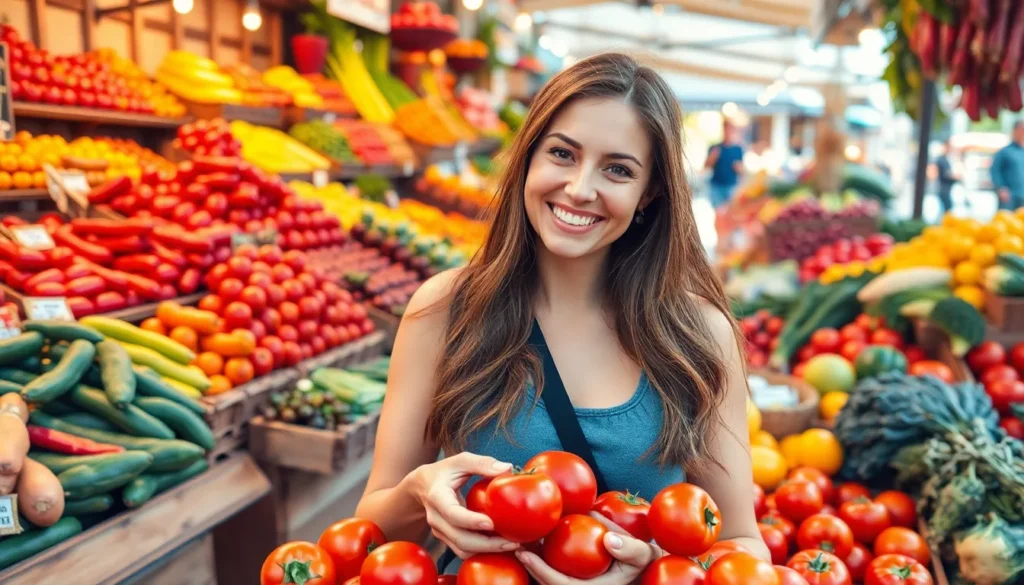

Food is a universal language, but when it comes to Spanish, it’s a flavorful adventure waiting to unfold. Imagine biting into a taco and realizing you’re not just enjoying a meal; you’re also diving into a rich culture that celebrates every ingredient. Understanding how to say “food” in Spanish isn’t just about vocabulary; it’s about unlocking a world of culinary delights.
Understanding Food
Food encompasses any substance consumed to nourish and sustain life. In Spanish, the term “comida” signifies these substances, ranging from fruits and vegetables to meats and grains.
Definition of Food
Food serves multiple roles. It provides essential nutrients that the body requires for energy and growth. Different types of food include fruits, vegetables, grains, dairy products, and proteins. Each category contributes unique vitamins and minerals vital for optimal health. People often select food based on nutritional value, taste, and cultural significance. Moreover, understanding food highlights its role as a source of enjoyment and socialization.
Importance of Food in Culture
Food plays a significant role in cultural identity. It forms the backbone of traditions, celebrations, and daily practices. Rituals associated with food reveal insights into a society’s values and history. Different countries emphasize unique ingredients and preparation methods, shaping culinary diversity. In Spanish speaking cultures, communal meals foster connections among family and friends. Culinary experiences often reflect regional flavors, showcasing the significance of agriculture and local resources.
Spanish Vocabulary for Food
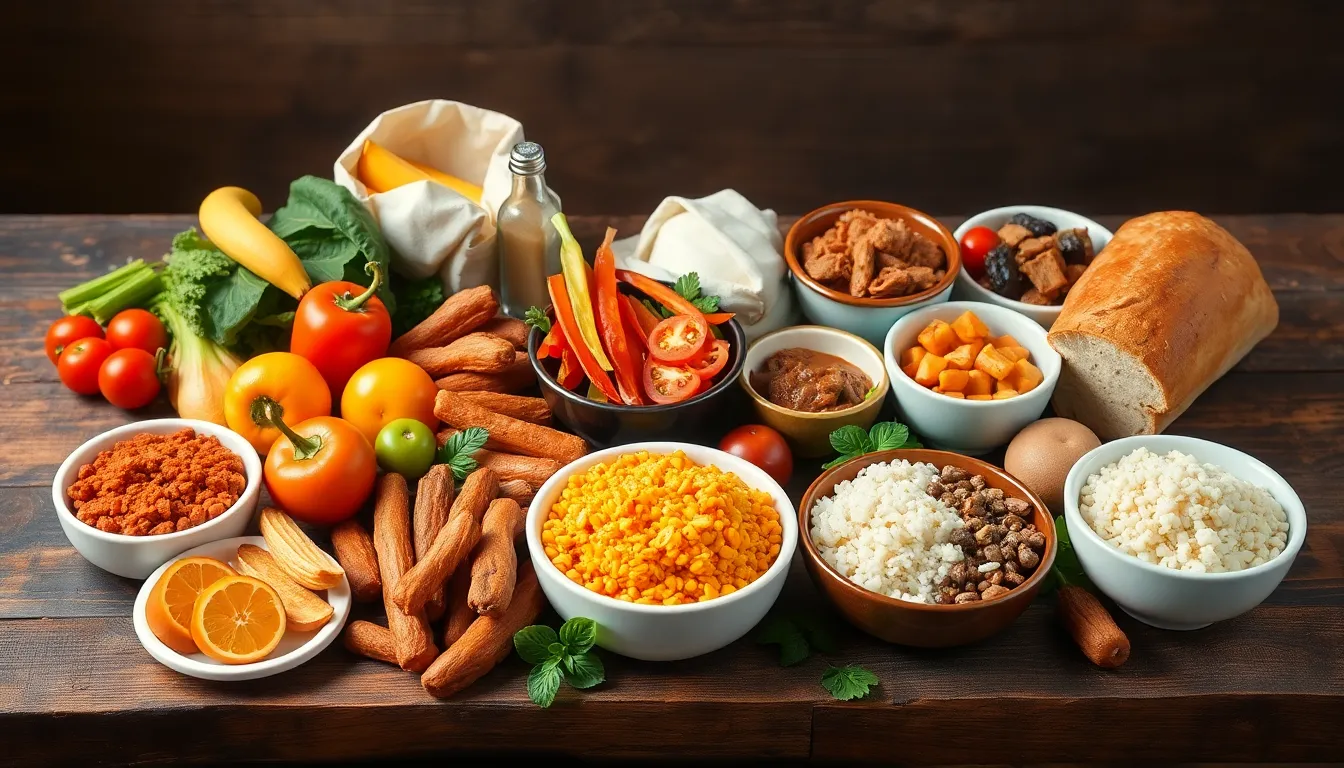
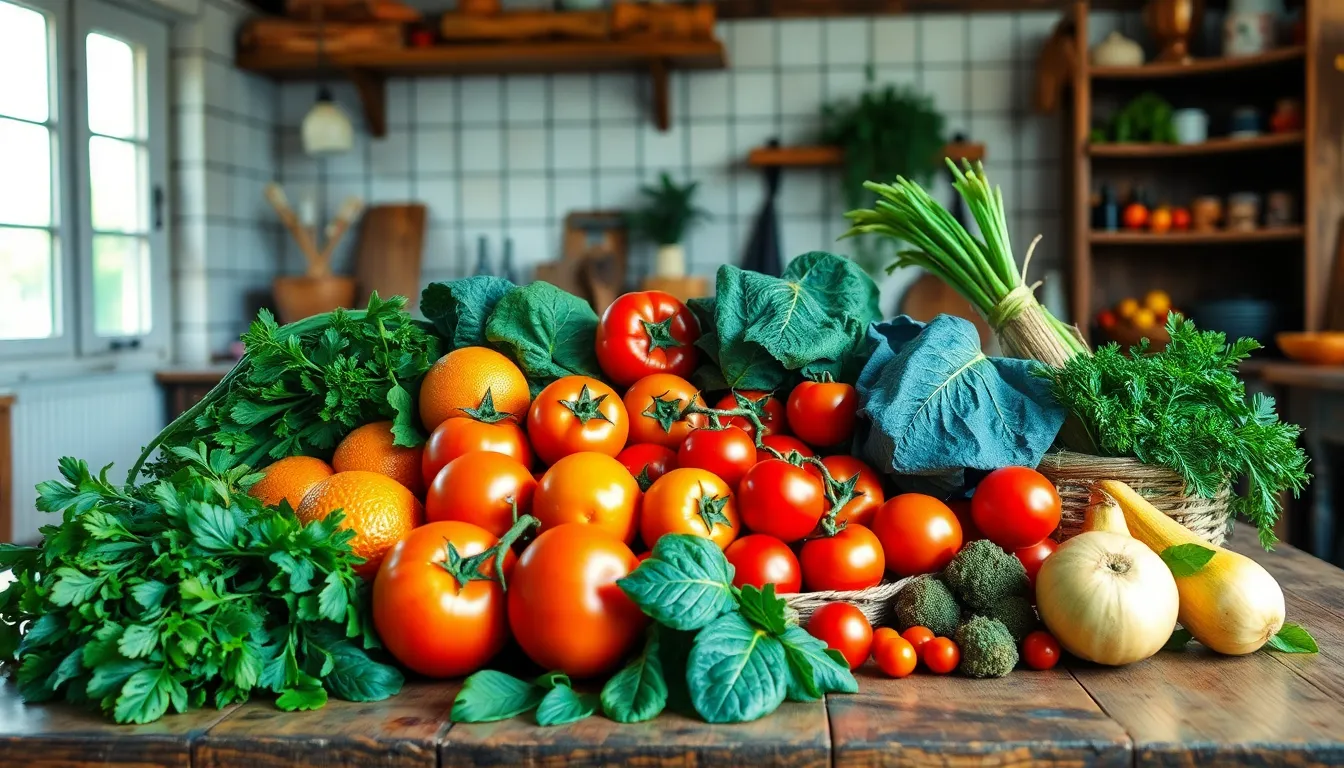
Understanding Spanish vocabulary for food is essential for exploring culinary delights. It opens doors to diverse food experiences and enhances cultural appreciation.
Common Food Items
In Spanish, “fruta” refers to fruit, a staple in many diets. “Vegetales” means vegetables, which are vital for nutrition. The word “carne” signifies meat, available in various types like “pollo” (chicken) and “res” (beef). “Granos” encompasses grains, including “arroz” (rice) and “maíz” (corn). Bread, known as “pan,” plays a crucial role in many meals. Each item connects to traditional dishes, reflecting regional flavors.
Food-Related Phrases
Phrases like “Tengo hambre” mean “I’m hungry,” a common expression before meals. “La comida está lista” translates to “The food is ready,” signaling dining time. “¿Qué hay de comer?” asks “What is there to eat?” inviting conversation about meals. “Buen provecho” serves as “Enjoy your meal,” a courteous wish before dining. Each phrase enhances communication around food, strengthening social interactions.
Regional Variations in Spanish Cuisine
Spanish cuisine showcases rich diversity, with distinct flavors and ingredients highlighting regional differences. Each area of Spain boasts its own traditional dishes that reflect local culture and history.
Traditional Dishes by Region
Catalonia features “pa amb tomàquet,” a simple yet delicious bread with tomato and olive oil. In Andalusia, “gazpacho” serves as a refreshing cold soup made from tomatoes and vegetables. The Basque Country is famed for “pintxos,” small snacks enjoyed with drinks. Valencia shines with “paella,” a rice dish often made with seafood or meat. Galician cuisine includes “pulpo a la gallega,” octopus served with paprika, emphasizing the region’s coastal influence.
Influence of Local Ingredients
Local ingredients play a key role in shaping Spanish cuisine. Mediterranean vegetables, such as peppers and eggplants, abound in southern regions. Galicia benefits from bountiful seafood, while the interior boasts abundant meats like lamb and pork. Olive oil, crucial across Spain, varies in flavor depending on the region of production. Each locality offers unique culinary experiences, influenced by its climate and resources.
Learning Resources for Spanish Food Vocabulary
Exploring Spanish food vocabulary becomes easier with various resources. They offer valuable insights and practical knowledge.
Books and Online Courses
Consider engaging with books that focus on Spanish cuisine and vocabulary. Titles like “Flavors of Spain” blend recipes with language lessons, enhancing culinary and linguistic skills. Online courses also provide structured learning opportunities. Websites such as Coursera and Udemy feature courses specifically targeting Spanish food vocabulary, catering to different learning styles. These resources enhance comprehension by incorporating interactive elements, such as quizzes and discussion forums, allowing learners to practice in real-time.
Apps and Language Tools
Apps simplify language acquisition by offering accessibility and convenience. Duolingo and Memrise feature modules dedicated to food vocabulary, making learning interactive. Users benefit from gamified experiences that encourage consistent practice. Additionally, translation tools like Google Translate assist with on-the-spot vocabulary needs, fostering spontaneous learning in real-world scenarios. Flashcard apps such as Anki and Quizlet allow for custom vocabulary sets, focusing solely on food terms, promoting retention and mastery.