


In a world filled with clutter and chaos, minimalist living room design offers a breath of fresh air. Imagine walking into a space where less truly is more. It’s not just about throwing out half your belongings; it’s about creating a sanctuary that feels open, inviting, and—dare we say—zen. Who knew that simplicity could be so stylish?
Understanding Minimalist Living Room Design
Minimalist living room design creates a serene environment focused on simplicity and functionality. This style encourages thoughtful choices in furnishings and decor, leading to a harmonious space.
Key Principles
Simple lines define the aesthetic of a minimalist living room. Neutral color palettes foster calm and cohesion. Additionally, multifunctional furniture maximizes usage while minimizing clutter. Natural light enhances the open feel, creating an inviting atmosphere. Prioritizing quality over quantity contributes to a curated look, ensuring each item serves a purpose or brings joy.
Benefits of Minimalism
Embracing minimalism reduces stress by eliminating visual distractions. A clutter-free space promotes better focus and productivity. Furthermore, minimalist design encourages thoughtful consumption, leading to sustainability. Cost savings arise from fewer purchases and simpler maintenance. Living with less fosters appreciation for what truly matters, enhancing overall well-being. The serene ambiance of minimalism creates a retreat from the chaos of daily life.
Essential Elements of Minimalist Living Rooms
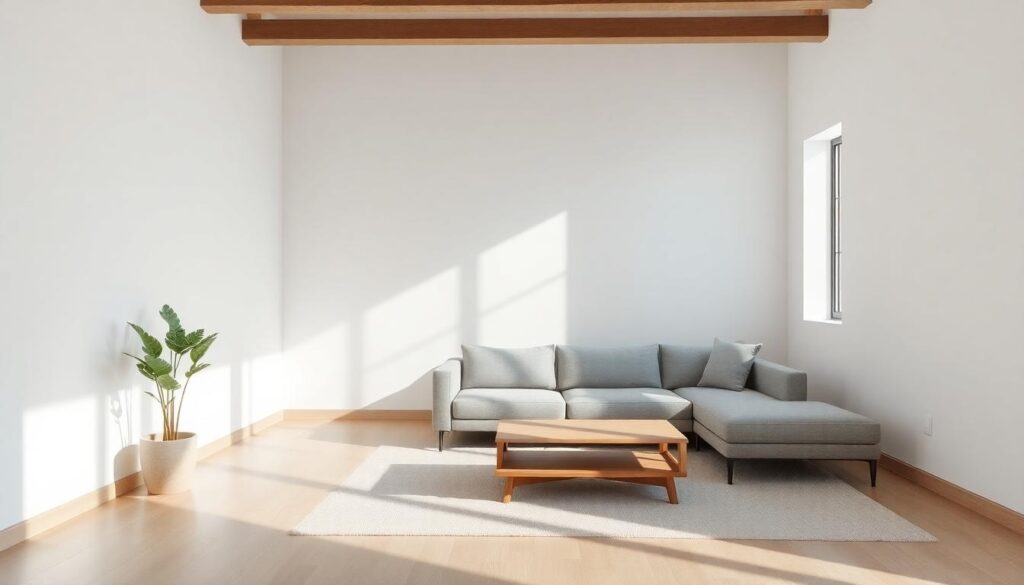
In minimalist living room design, essential elements create a calm, inviting atmosphere. These components focus on simplicity, functionality, and harmony.
Color Palette
Neutral color palettes dominate minimalist living rooms. Shades like whites, grays, and soft beiges provide a serene backdrop. Accents in muted tones introduce depth without overwhelming the space. Choosing monochromatic schemes maintains visual coherence. A limited palette promotes a feeling of spaciousness, enhancing the room’s tranquility.
Furniture Selection
Furniture selection emphasizes multifunctionality and simplicity. Pieces with clean lines and geometric shapes often appeal to minimalist aesthetics. Selecting a few statement items avoids overcrowding and facilitates movement. Low-profile sofas and sleek coffee tables maintain an uncluttered look. Prioritizing quality over quantity ensures long-lasting appeal and utility.
Tips for Achieving a Minimalist Living Room
Creating a minimalist living room involves thoughtful strategies to enhance simplicity and style. Focus on decluttering and incorporating functional elements for a harmonious space.
Decluttering Strategies
Start by assessing all belongings in the living room. Identify items that serve a purpose or bring joy, and remove those that don’t. Regularly evaluate possessions to prevent accumulation. Consider using storage solutions like baskets or boxes that blend with the decor while keeping items organized. A seasonal refresh can also help maintain a clutter-free environment. Aim for open surfaces that invite calmness and encourage relaxation.
Incorporating Functionality
Choose furniture that serves multiple purposes to maximize space. Opt for a coffee table that doubles as storage, or a sofa bed for guests. Select pieces that feature clean lines and are easy to move for versatility. Lighting should enhance functionality; consider adjustable floor lamps or wall-mounted fixtures to save space. Incorporate open shelving for displaying a few curated items while keeping them easily accessible. Prioritizing functionality not only simplifies the room but also elevates the overall aesthetic.
Popular Minimalist Living Room Styles
Minimalist living room designs vary widely in style while embodying the principles of simplicity and functionality. Two prominent styles include Scandi Minimalism and Japanese Minimalism.
Scandi Minimalism
Scandi Minimalism emphasizes functionality and warmth. Light wood tones, soft textiles, and neutral color palettes create a cozy atmosphere. Designers often incorporate natural elements, such as plants or wood furniture, to bring life into the space. Clean lines characterize Scandi furniture, ensuring an uncluttered appearance. Understated decor, like simple artwork or geometric accessories, complements the overall aesthetic. This style prioritizes comfort without sacrificing minimalism, creating inviting spaces for relaxation and socialization.
Japanese Minimalism
Japanese Minimalism focuses on tranquility and natural beauty. Neutral colors, such as whites and earth tones, set the foundation for peaceful living spaces. Natural materials like bamboo and tatami mats often feature prominently, enhancing the connection with nature. Open floor plans promote the flow of energy and light, emphasizing spaciousness. Multifunctional furniture, such as low-profile seating, helps maintain an organized environment. In this style, less truly is more, as each item serves a purpose and contributes to the serene ambiance.
Embracing minimalist living room design offers a refreshing escape from the chaos of everyday life. By focusing on simplicity and functionality, individuals can transform their spaces into serene sanctuaries that promote well-being. Thoughtful choices in furnishings and decor not only enhance the aesthetic appeal but also foster a sense of calm and clarity.
Incorporating principles from styles like Scandi and Japanese minimalism can further enrich the experience, allowing for a harmonious blend of comfort and elegance. Ultimately, minimalist living isn’t just about less; it’s about creating an environment that nurtures a deeper appreciation for the essentials, leading to a more fulfilling lifestyle.


